Sound, Space, and Systems
2006 - 2016
It started at 21, standing behind a mixing console at SAE Institute in Berlin, learning to shape acoustic space. I'd played bass in a punk band through my teens. Music was always present, but what drew me was the engineering: how frequencies interact, how a mix creates dimension, how you build atmosphere from discrete elements.
Audio production taught me a way of thinking I didn't have words for yet. Balancing elements, finding clarity in complexity, making technical decisions that serve a feeling. After SAE, I spent time on film sets through my father's connections as a camera operator. Those productions taught me about collaboration under pressure, about craft, and about being present when the work demands it.
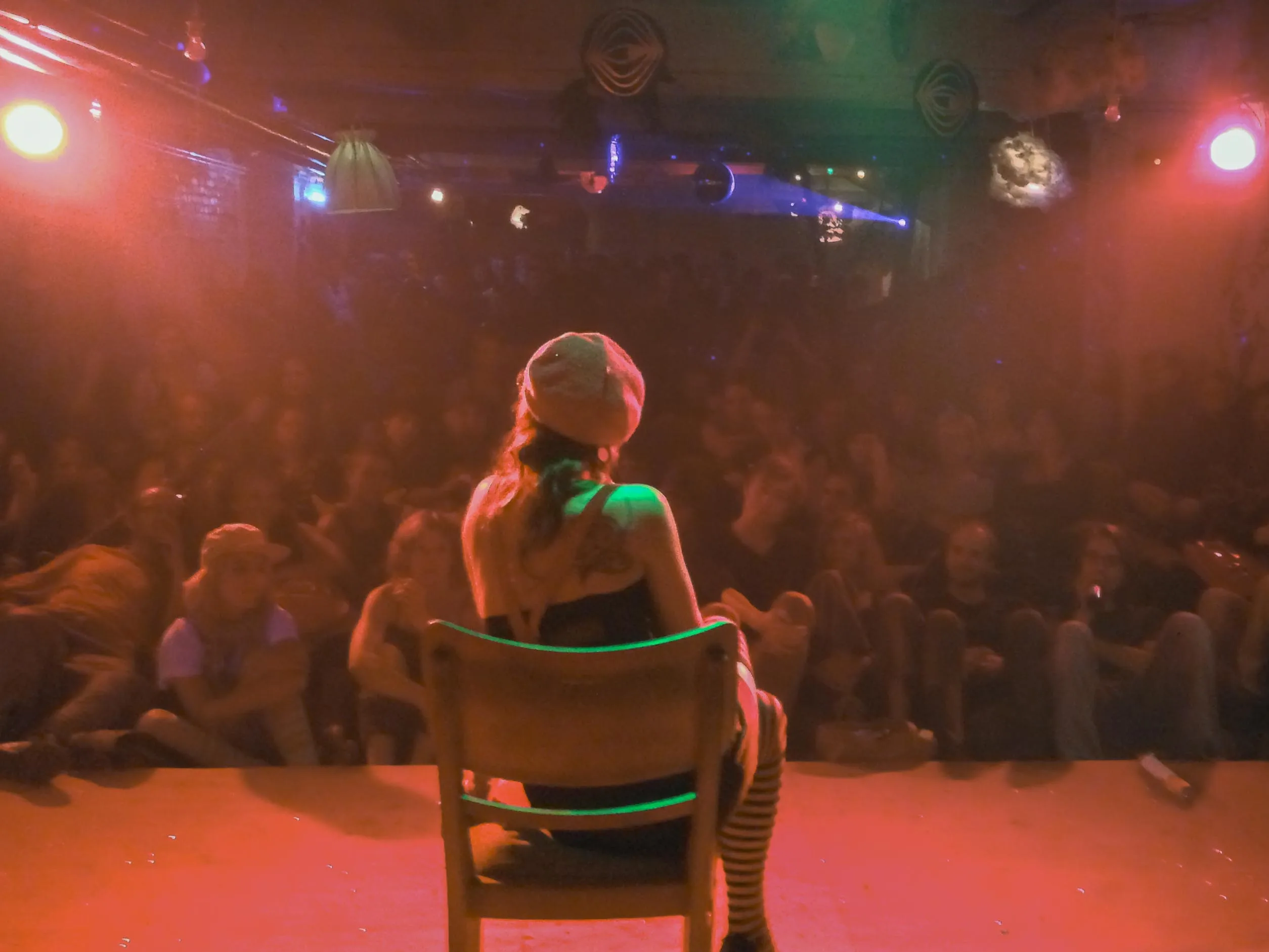 Kultstätte Keller – 2014
In 2011, through friends in Berlin's cultural scene, I got involved with an empty building in Neukölln. The idea was to create space for art and community events. I started building recording studios in the basement. What we created instead was Kultstätte Keller, which grew from occasional parties into a nightclub running entertainment six nights a week. I never finished those studios. Instead, I became co-owner and operator, managing sound systems, technical infrastructure, and logistics for a space that had found its own momentum.
Running Kultstätte taught me about systems at scale: organisational, technical, human. But by 2015, after years in nightlife, I started noticing the toll. How people age in that environment, the consumption, the feeling that something essential was missing. I wanted to build things that lasted differently.
Around this time, I did a three-month internship at Peppermint Park Studios in Hannover, working under Hans Martin Buff, who would later win a Grammy. I learned more in those three months than in my entire formal education. Not because the curriculum was better, but because I was learning from someone deeply passionate about their craft. That planted a seed: passionate people teach effortlessly, and learning works best peer-to-peer.
Passionate people teach their passions effortlessly, and learning works best when it's peer-to-peer and practice-based.
This insight became U/skillity, a platform I co-founded: a peer-to-peer marketplace for microskills. Airbnb, but for knowledge. The problem was I had no real understanding of business or technology beyond what I'd picked up intuitively.
In 2016, I completed an IHK certification in Business Administration and discovered I enjoyed structured learning. At 30, with years of practical experience, formal education felt different than it had as a teenager. I wanted more.
That's when I found the HEAR programme at the National University of Ireland Maynooth, a route designed for mature students entering higher education later in life. I took the entry exams, got accepted, and moved to Ireland.
The Formalisation Years
2016 - 2022
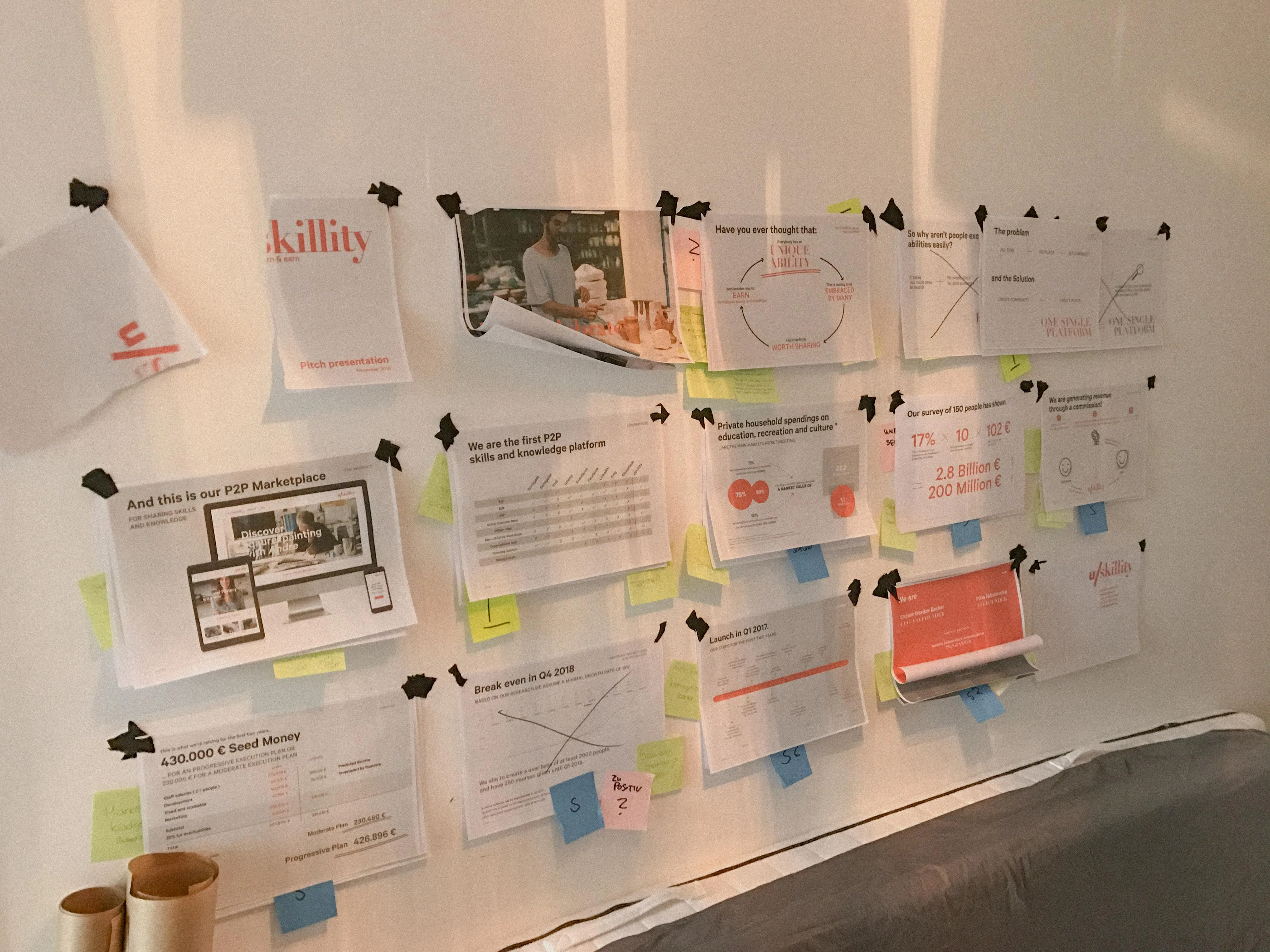 Building U/skillity – peer-to-peer learning platform
Ireland was intense. Full-time business and marketing, but I found myself drawn to a computer science module I'd added. Java clicked in a way the business courses didn't. Five days of lectures, evenings and weekends at an Apple retail job to finance it. U/skillity continued remotely.
After a year and a half, I discovered that acceptance to one EU university meant I could transfer anywhere in Europe. CODE University in Berlin was focused on interdisciplinary product development and applied learning. I applied, got in, and moved back home in 2018 to study Product Management.
CODE was where things started connecting. The programme emphasised synthesis: how technology, design, business, and human needs intersect. I also needed to work, which led me to YPTOKEY, a startup building blockchain-based IoT access systems.
I joined as a Product Owner and Frontend Developer, but quickly found myself translating. The CEO and CTO spoke different languages (business strategy vs technical architecture) and I could understand both. I built React proof-of-concepts for customers, explained blockchain to sales teams, bridged vision and implementation. First time I'd built something with code that mattered to a business outcome. Largely self-taught, drawing on Java foundations from Ireland and resources at CODE.
When COVID hit in 2020, YPTOKEY faced financial pressure and I lost the role. I realised I missed programming more than product management. In early 2021, I took a Technical Project Manager role at Data4Life. The team was kind, but the work felt misaligned: startup culture inside a corporate structure, with people who didn't want that. It clarified something: I wanted to build, not coordinate.
It clarified something important: I wanted to build, not just coordinate.
By mid-2021, I'd moved to Freiheit.software as a Frontend Developer. Remote work, travelling while coding, real enterprise applications with React, Node.js, and TypeScript. Then the team needed full-stack support. I got pulled into backend work and discovered I enjoyed it even more. Designing systems end-to-end, thinking about architecture, data flow, how pieces fit together.
When Freiheit lost a client in late 2022 and had to let me go, I used one of their former customer contacts to start freelancing. After years of employment, I thought independence might be what I needed.
Seeking Depth
2023 - Present
Three years of freelance work clarified what I want.
The freedom is real. Set my schedule, choose my tools, work from anywhere. But the work itself has been limiting: small landing pages, WordPress customisations, design tweaks for clients who need a web presence but not a system. I miss deep logical work.
Building backends, architecting systems, solving problems that require sustained thought. Creating something with internal logic and coherence, not customising templates. I miss working with a team. People to learn from, to review code with, to discuss trade-offs.
U/skillity still resurfaces in my mind occasionally. Now that I have the technical skills, I sometimes think about rebuilding it properly. The idea (that passionate people teach best, and learning should be peer-driven) never really left. It's part of why I care about mentorship and knowledge sharing in teams.
In 2025, I completed the Advanced Web Development Programme at Neue Fische — an intensive bootcamp focused on modern TypeScript, backend architecture, testing, and deployment.
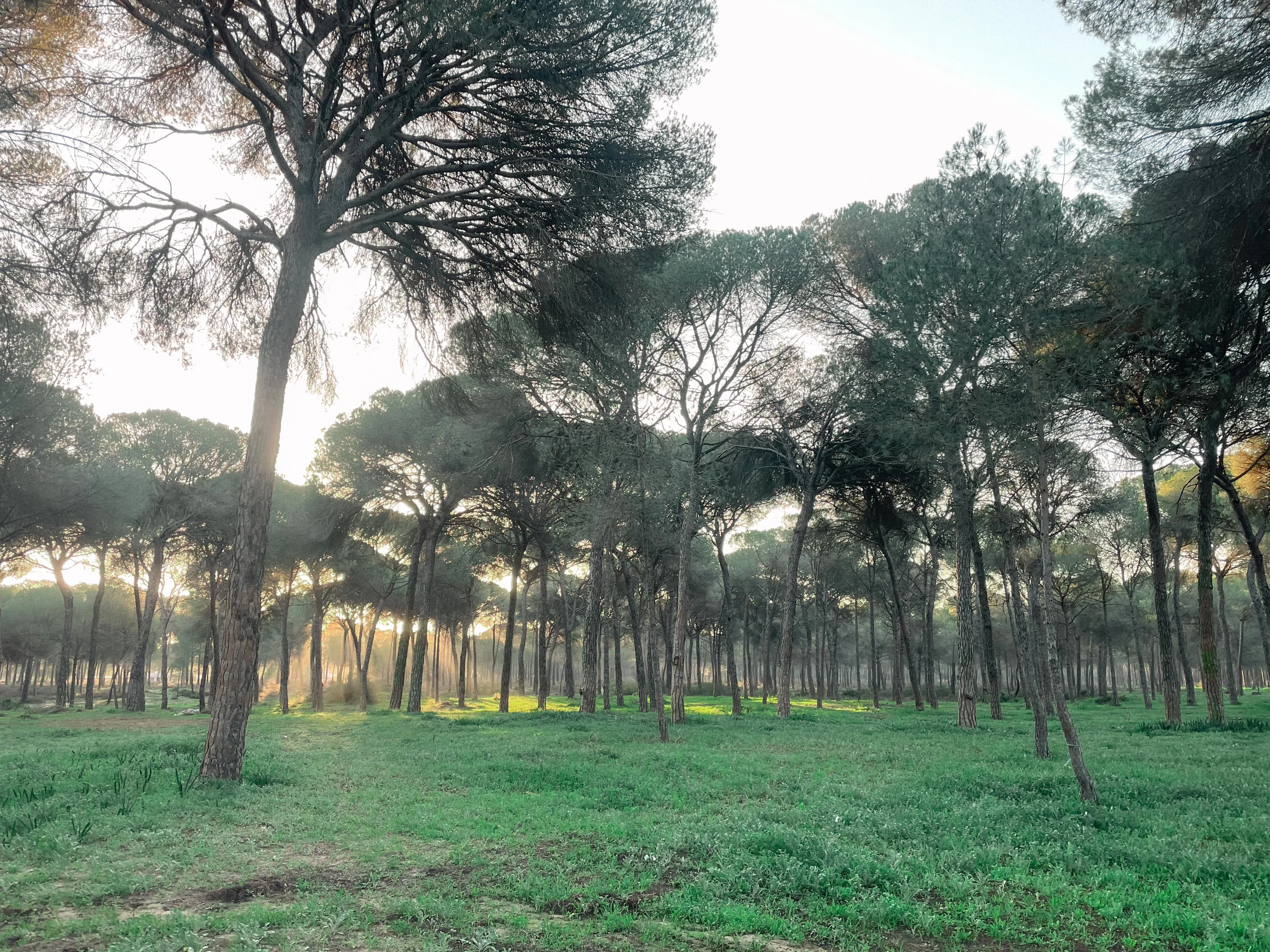 The freelance reality – working from anywhere
Looking back, the path makes sense. Audio engineering taught me to shape systems from components. Kultstätte taught me to manage complexity and adapt to what emerges. Film work taught me collaboration and craft. U/skillity taught me that I care about how people learn. YPTOKEY taught me I'm a translator between disciplines. Freiheit taught me I love backend systems thinking.
Twenty years of learning how to build things that work — sonic, cultural, digital. Now focused on software.
I'm not starting from scratch. I'm bringing twenty years of learning how to build things that work.